COVID-19: Cultural and Regional Factors
Our project focuses on a comparison between the United States and Indonesia to understand cultural and regional differences in vaccine hesitancy and vaccine rates.
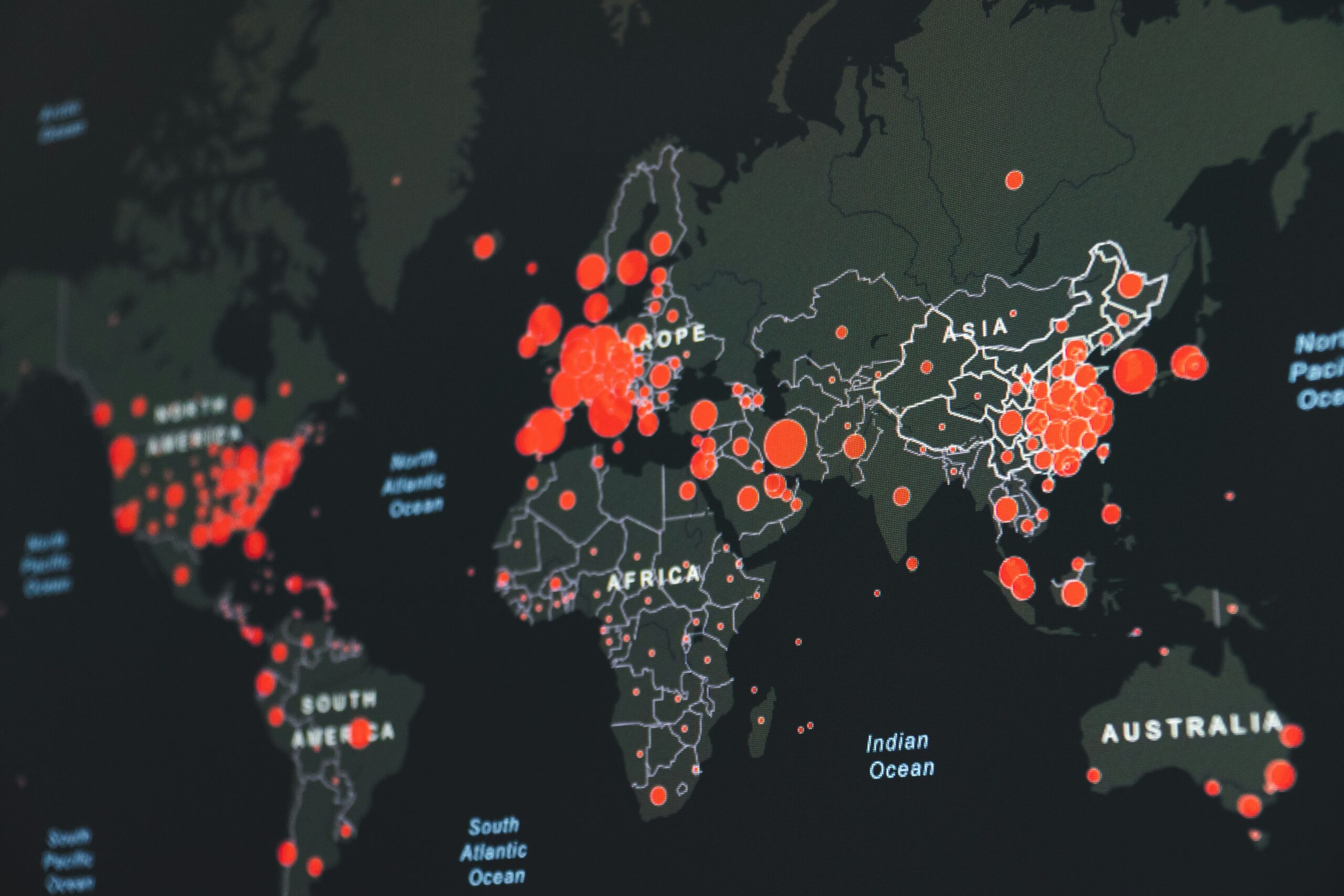
What is COVID-19?
COVID-19, caused by the novel coronavirus SARS-CoV-2, is a highly infectious disease that first emerged in December 2019 in Wuhan, China. The virus spreads primarily through respiratory droplets when an infected person coughs, sneezes, or talks. Symptoms of COVID-19 range from mild respiratory issues to severe illness and death, with common symptoms including fever, cough, and difficulty breathing. The pandemic has led to significant global health challenges, overwhelming healthcare systems, and causing widespread social and economic disruption. Governments and health organizations worldwide have implemented measures such as lockdowns, social distancing, and vaccination campaigns to control the spread of the virus and reduce its impact on communities.
Why the United States vs. Indonesia?
We chose to compare Indonesia and the United States primarily because these two countries have similar population sizes, providing a more balanced basis for comparison. Indonesia, with a population of approximately 279.8 million, and the USA, with around 335.9 million people, offer a unique opportunity to explore the impact of COVID-19 across similarly large populations. This similarity in population size allows us to draw more accurate comparisons regarding the rates of infection, death, and vaccination.
Additionally, these countries are located in vastly different regions—Indonesia in Southeast Asia and the USA in North America. This geographic diversity introduces a range of socio-economic, cultural, and political contexts into our analysis, adding complexity and depth. By examining how these different factors influence pandemic outcomes, we can gain a more comprehensive understanding of the effectiveness of public health interventions, cultural attitudes towards vaccination, and the overall management of the pandemic. This comparative approach highlights key insights that can inform better public health strategies and improve global pandemic preparedness.
Based on this information, we created 2 research questions to guide our project:
Research Question #1:
How do COVID-19 outcomes differ between the United States and Indonesia, and what factors contribute to these differences?
Research Question #2:
How do vaccine hesitancy and vaccination rates affect the rates of death and cases?